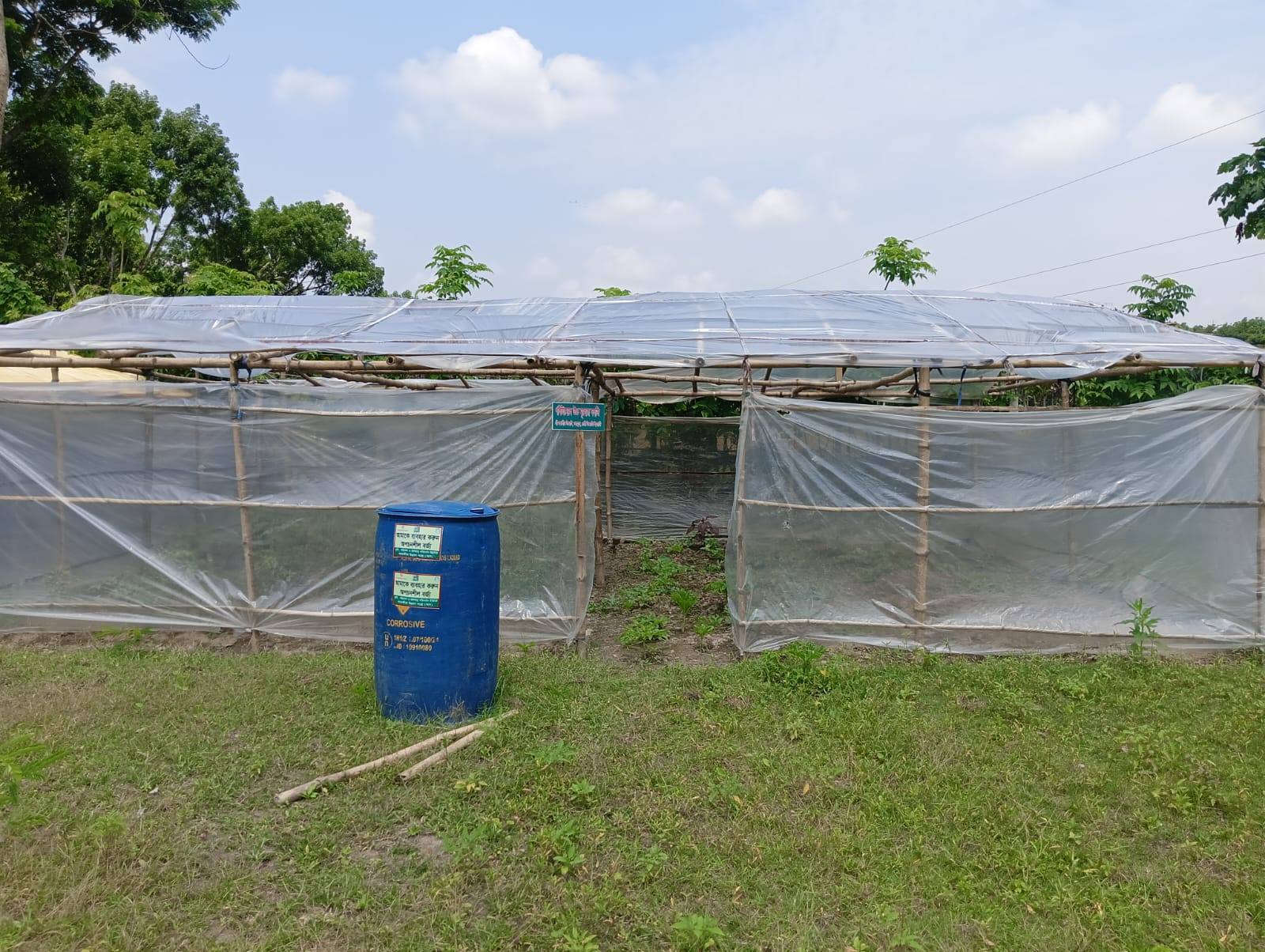
| Project/Program Name | Special Program – Development (Agriculture) |
|---|
| Working Area | Chugnagor, Kholiskhali, Magura, Tala |
|---|
| Vision | To pioneer a sustainable, climate-resilient agricultural future where rural farming communities are transformed into self-reliant hubs of economic prosperity. We envision an ecosystem driven by innovation, where our model agro-ecological farms serve as blueprints for environmental harmony, and our dedicated field demonstrations empower smallholder farmers with cutting-edge, organic, and smart farming practices. By bridging the gap between ecological preservation and high-yield productivity, we aspire to build a world where agriculture not only guarantees national food security and rich nutrition but also uplifts grassroots livelihoods, preserves biodiversity, and secures a dignified, profitable future for generations to come. |
|---|
| Mission/Objectives |
- Delivering comprehensive agricultural extension services
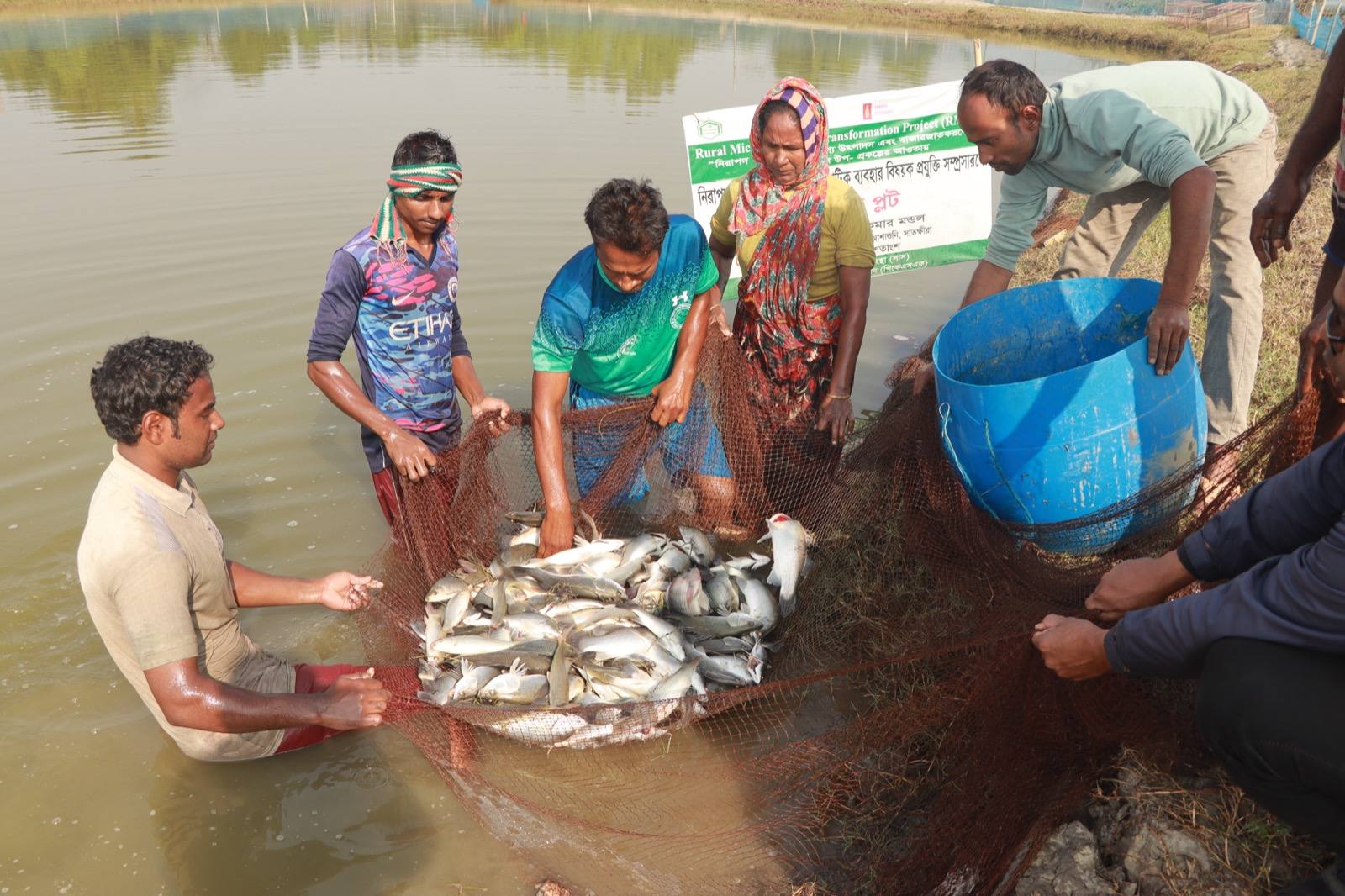
- Conducting hands-on farmer demonstrations
- Driving climate-resilient and smart farming adoption
- Enhancing smallholder income and rural livelihoods
- Ensuring food safety and nutritional security
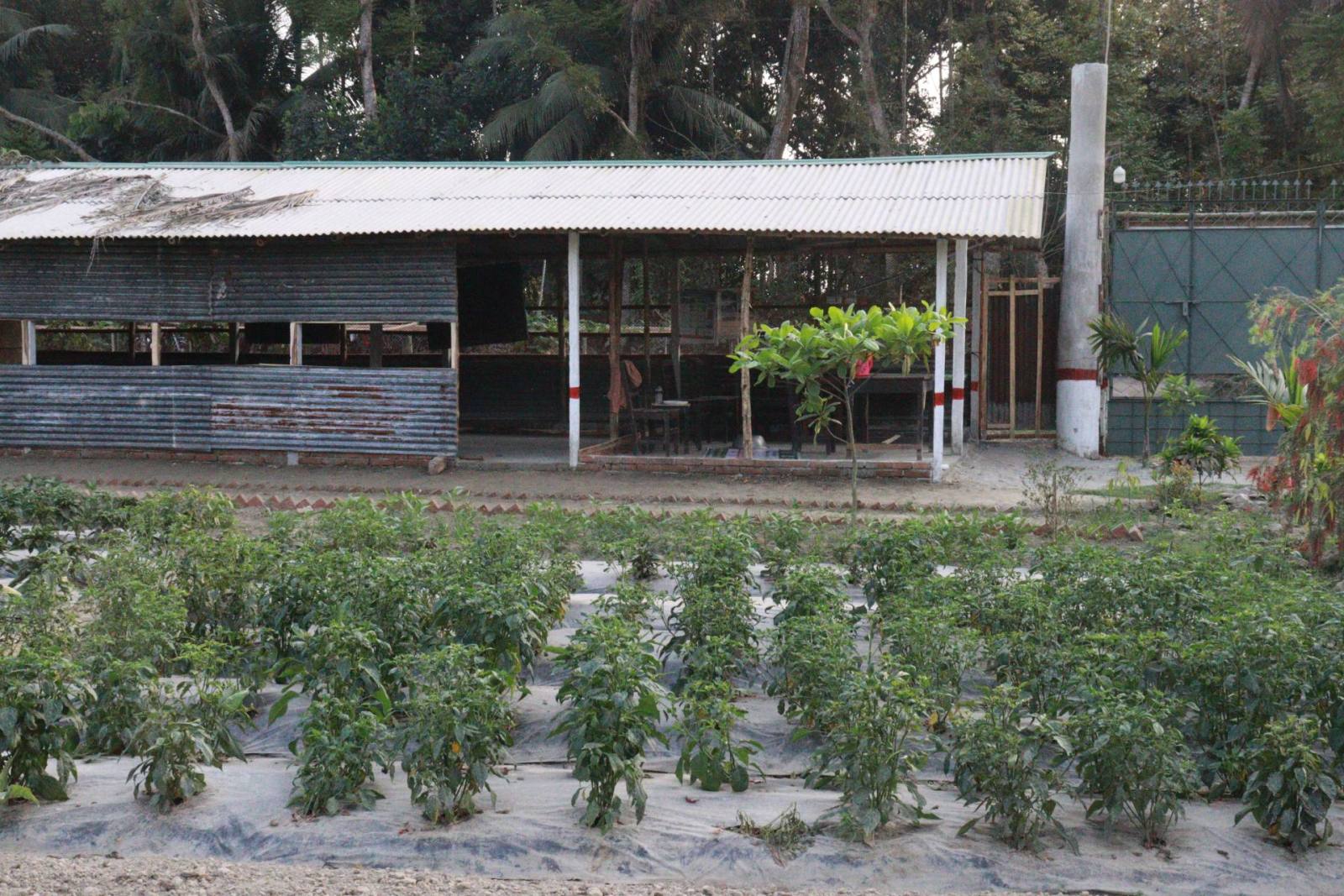
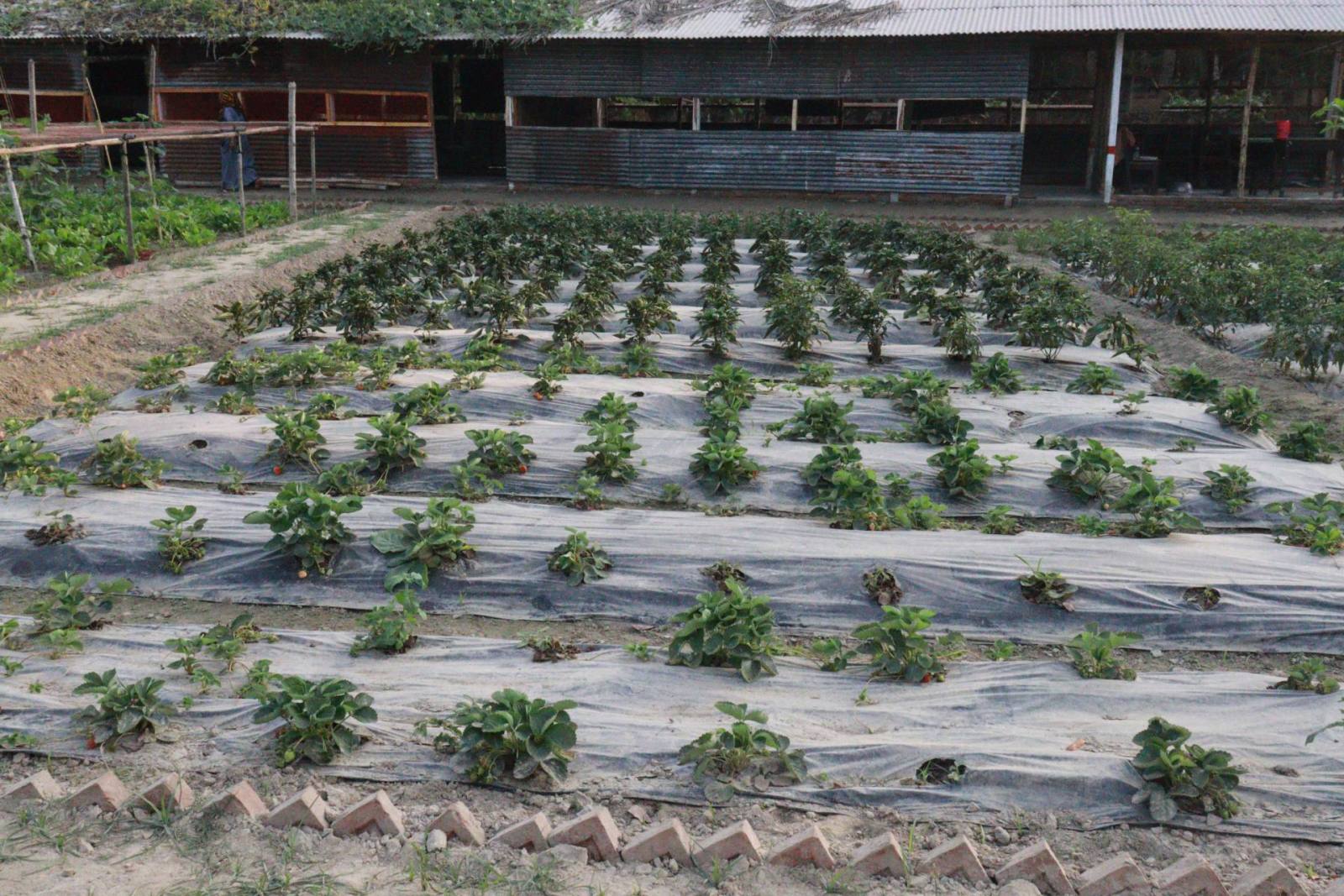
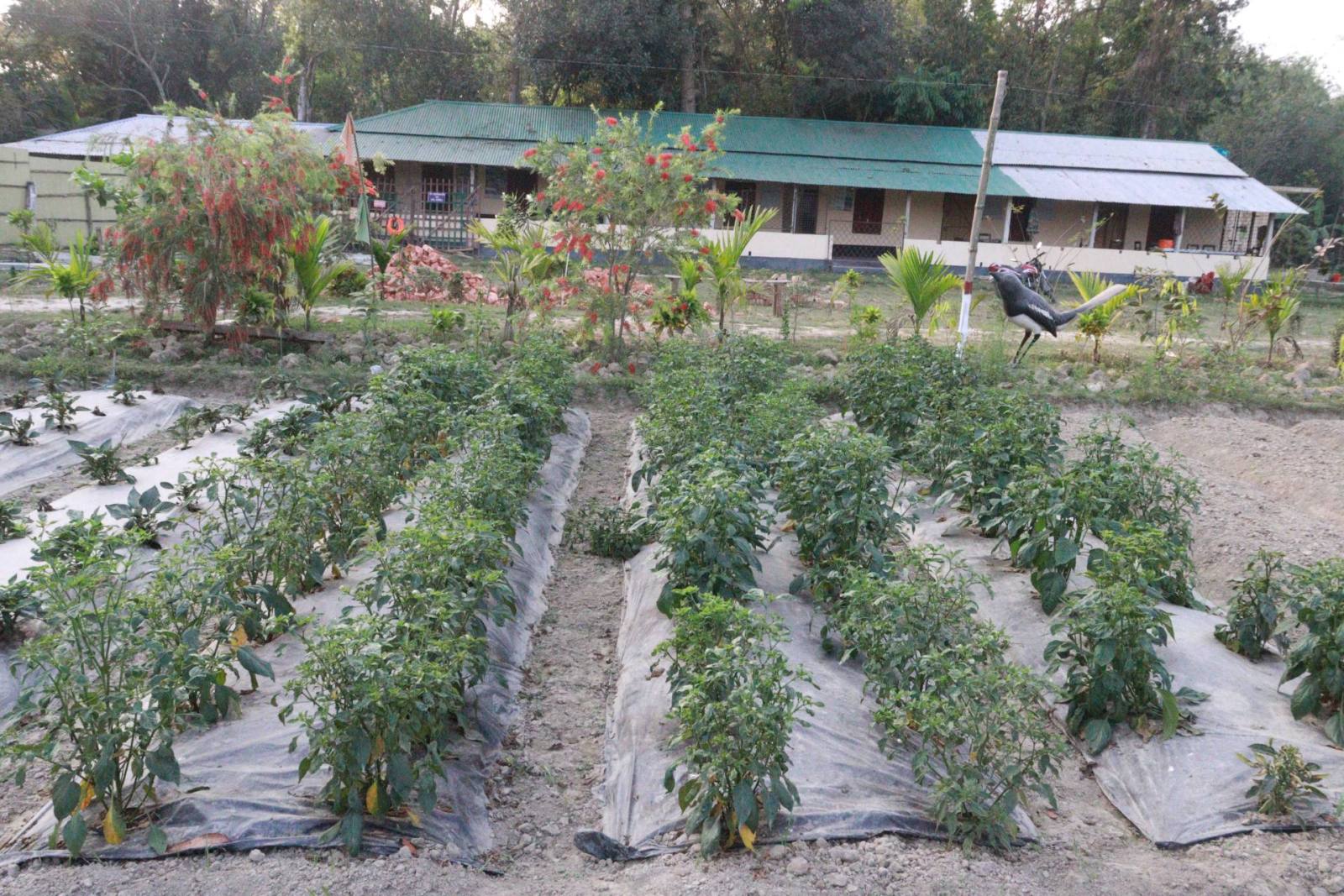
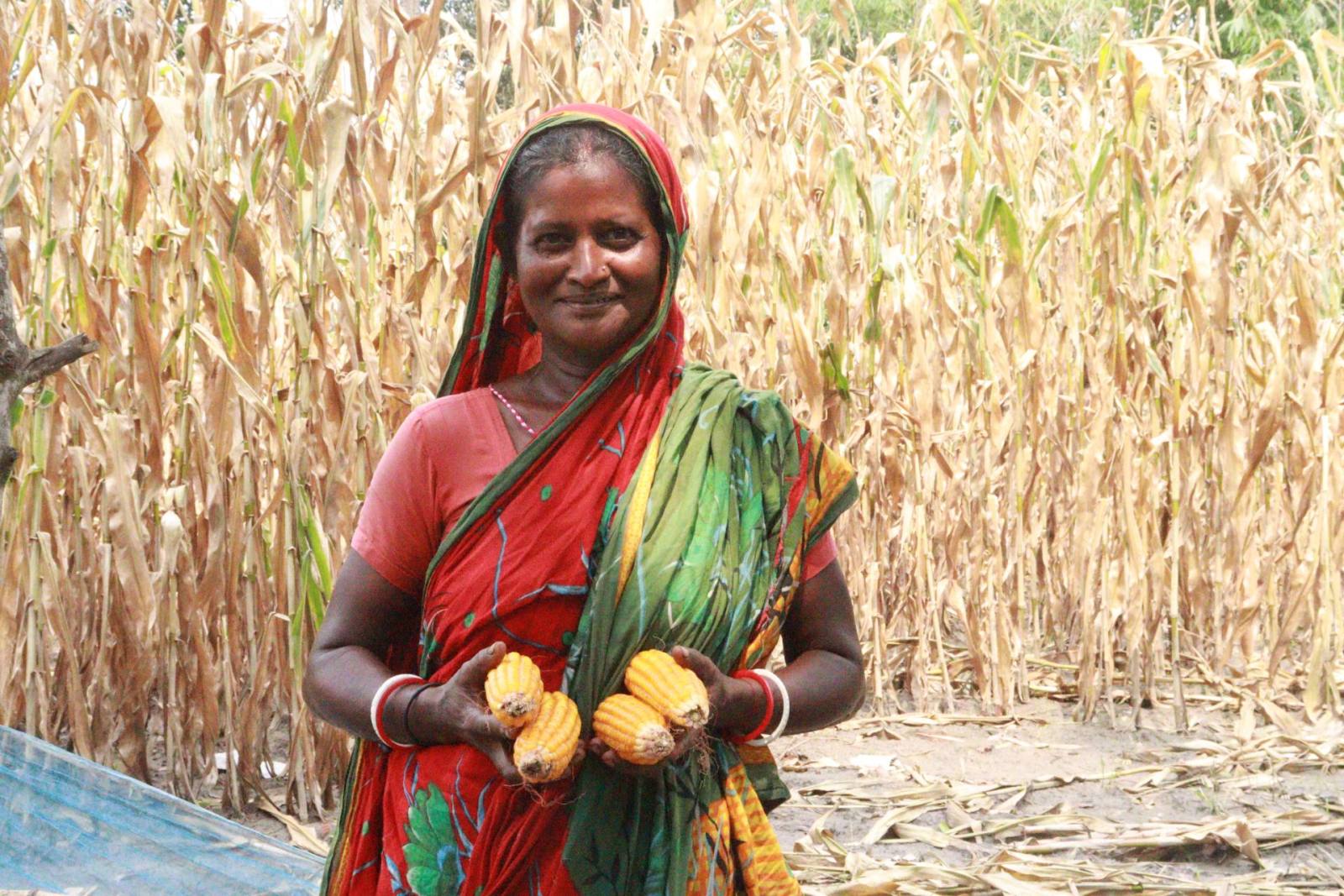
- Cultivating model agro-ecological farms
- Preserving biodiversity and restoring soil health
|
|---|
| Impact | Our initiative has successfully transformed the rural landscape by empowering smallholder farmers through hands-on demonstrations and sustainable tech transfer, leading to measurable increases in household incomes and crop yields. By establishing thriving model agro-ecological farms, we have accelerated the adoption of climate-resilient practices, restored vital soil health, and preserved local biodiversity. Ultimately, these diverse ground-level services have bridged the gap between ecological preservation and rural prosperity—ensuring long-term food safety, rich nutritional security, and self-reliant agribusiness networks for the community. |
|---|
| Outcome | Through our model farms, practical demonstrations, and dedicated support services, we achieve a thriving ecosystem where farmers transition from vulnerable subsistence to climate-smart profitability, degraded soils are revitalized into highly productive and bio-diverse lands, and rural communities secure long-term food safety, economic dignity, and self-reliant futures. |
|---|
| Output | Our agro-ecological interventions, field demonstrations, and comprehensive support services yield a resilient farming network characterized by a substantial boost in smallholder household incomes, widespread adoption of climate-smart technologies, drastically improved soil fertility, and a reliable local supply of safe, nutrient-dense food. |
|---|
| Activities/Input |
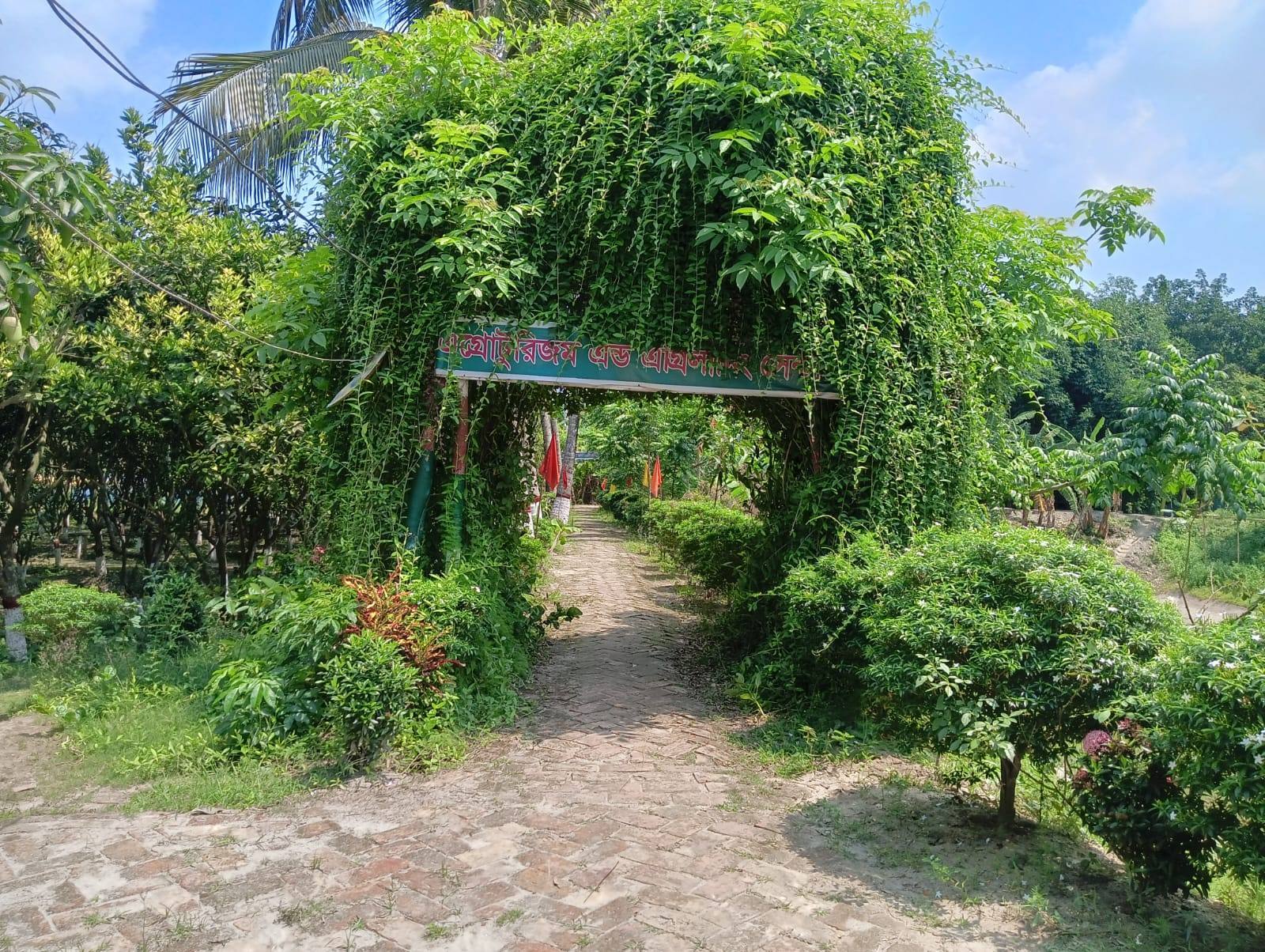
- Establishing and maintaining model agro-ecological farms
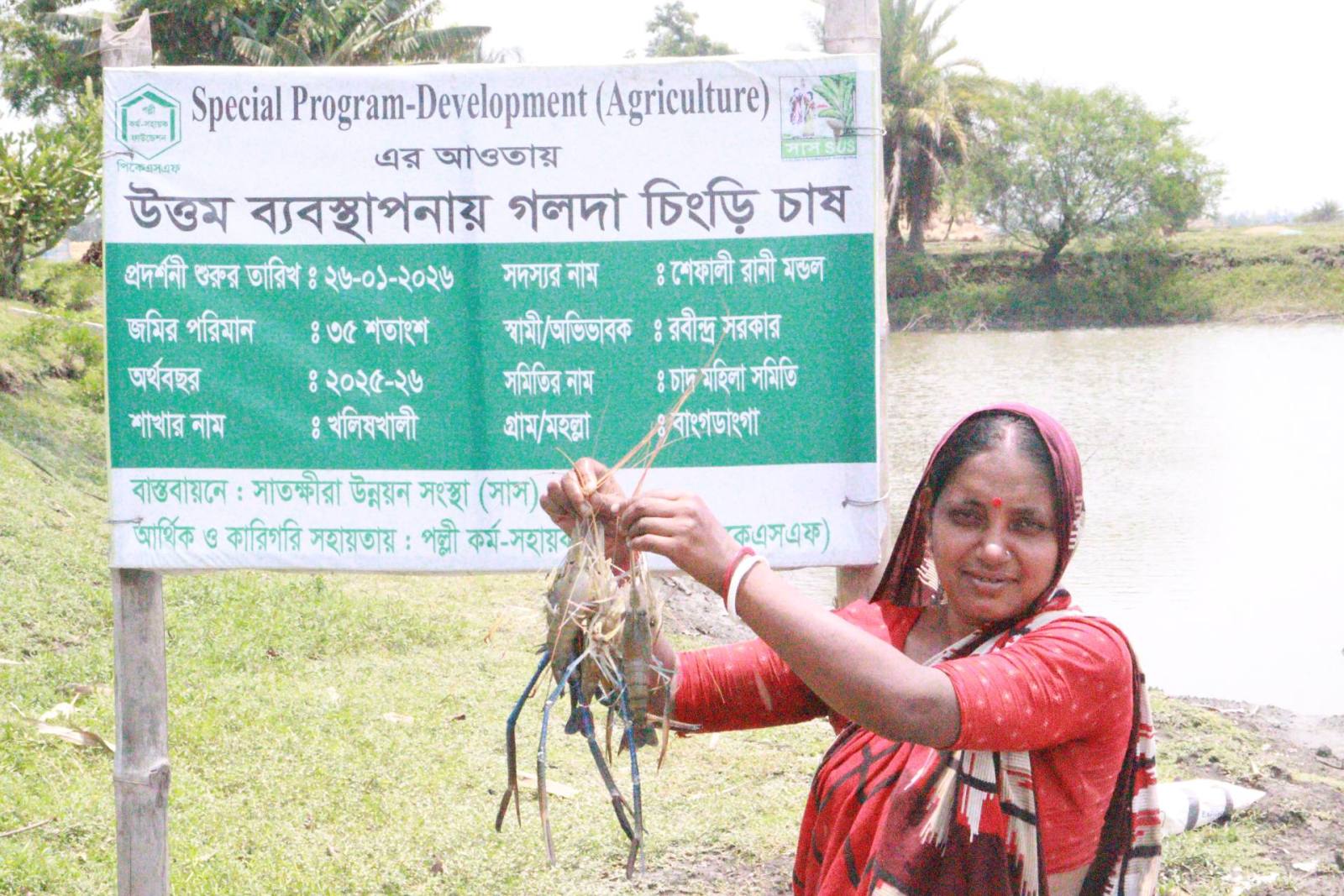
- Organizing hands-on field demonstrations and bootcamps for farmers
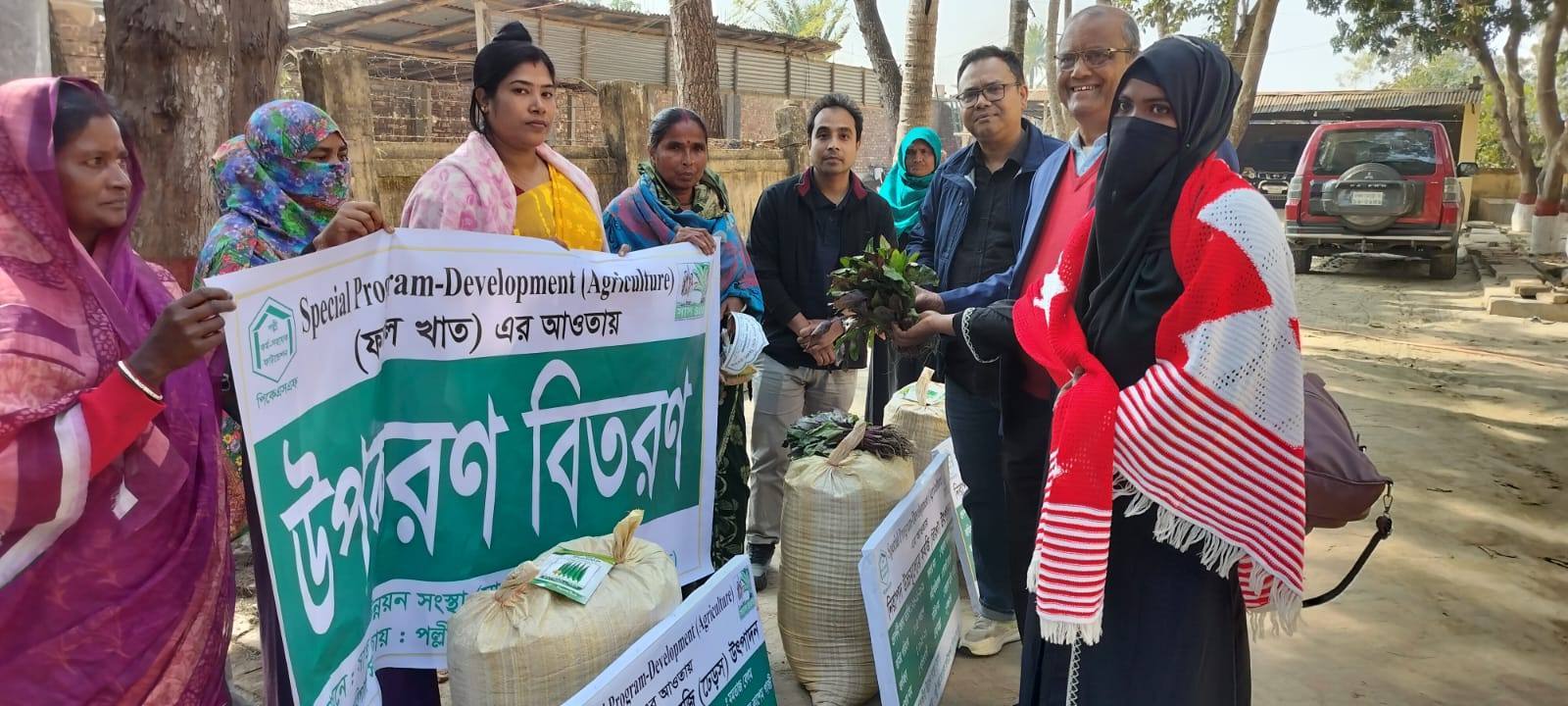
- Distributing organic seeds, bio-fertilizers, and eco-friendly inputs
- Providing technical training on climate-smart and precision farming
- Deploying continuous on-the-ground extension and advisory services
- Setting up community-led water management and soil-testing systems
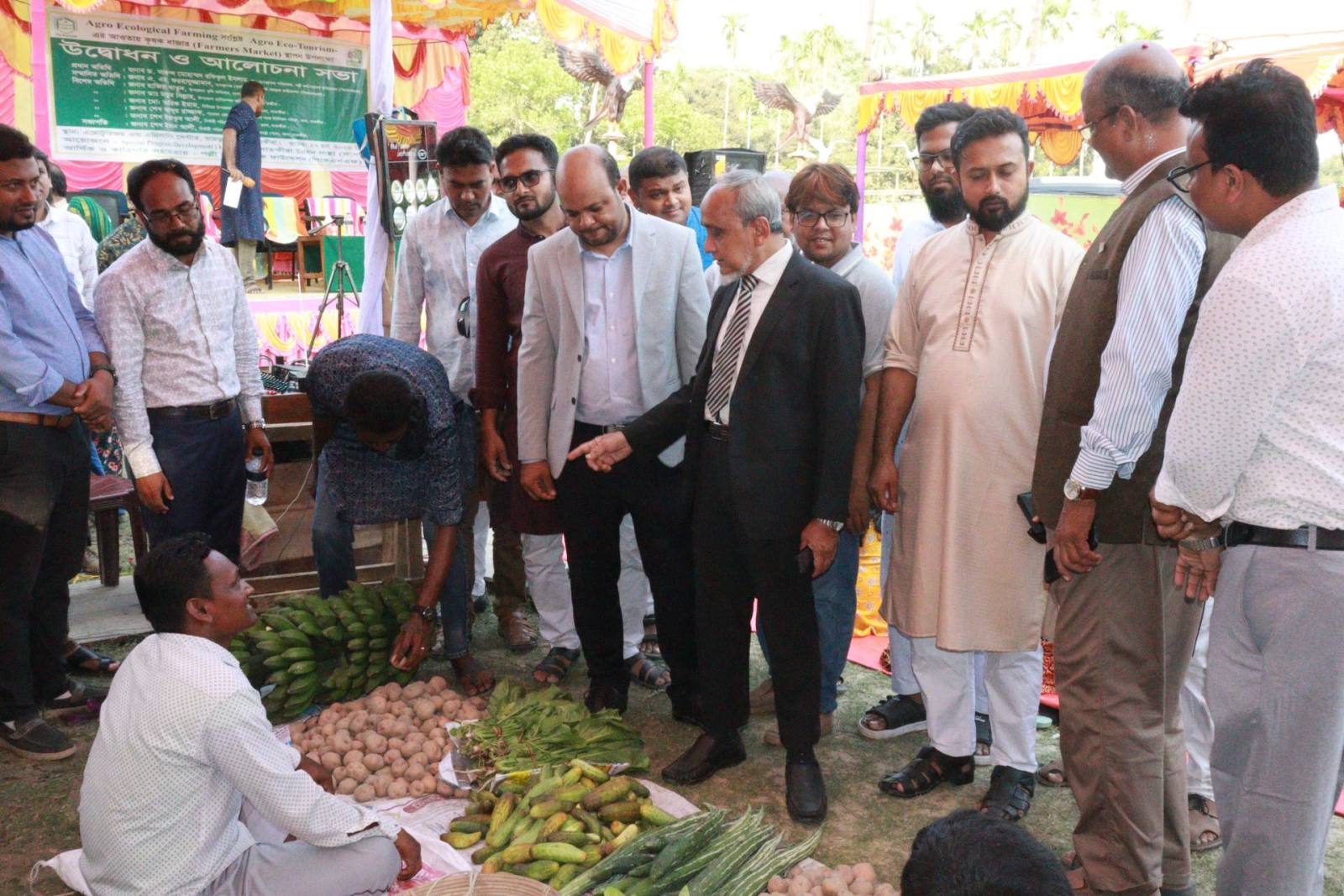
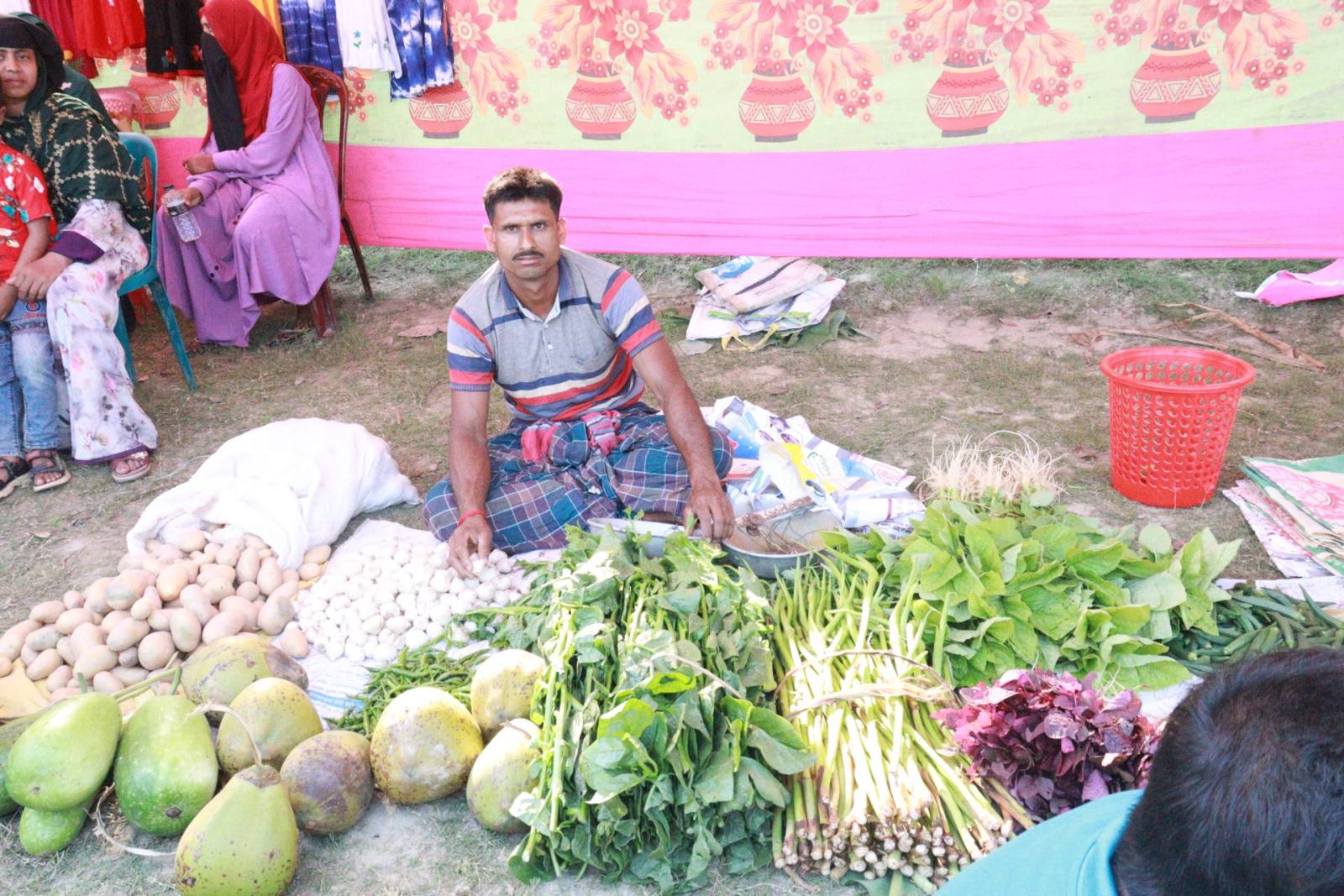
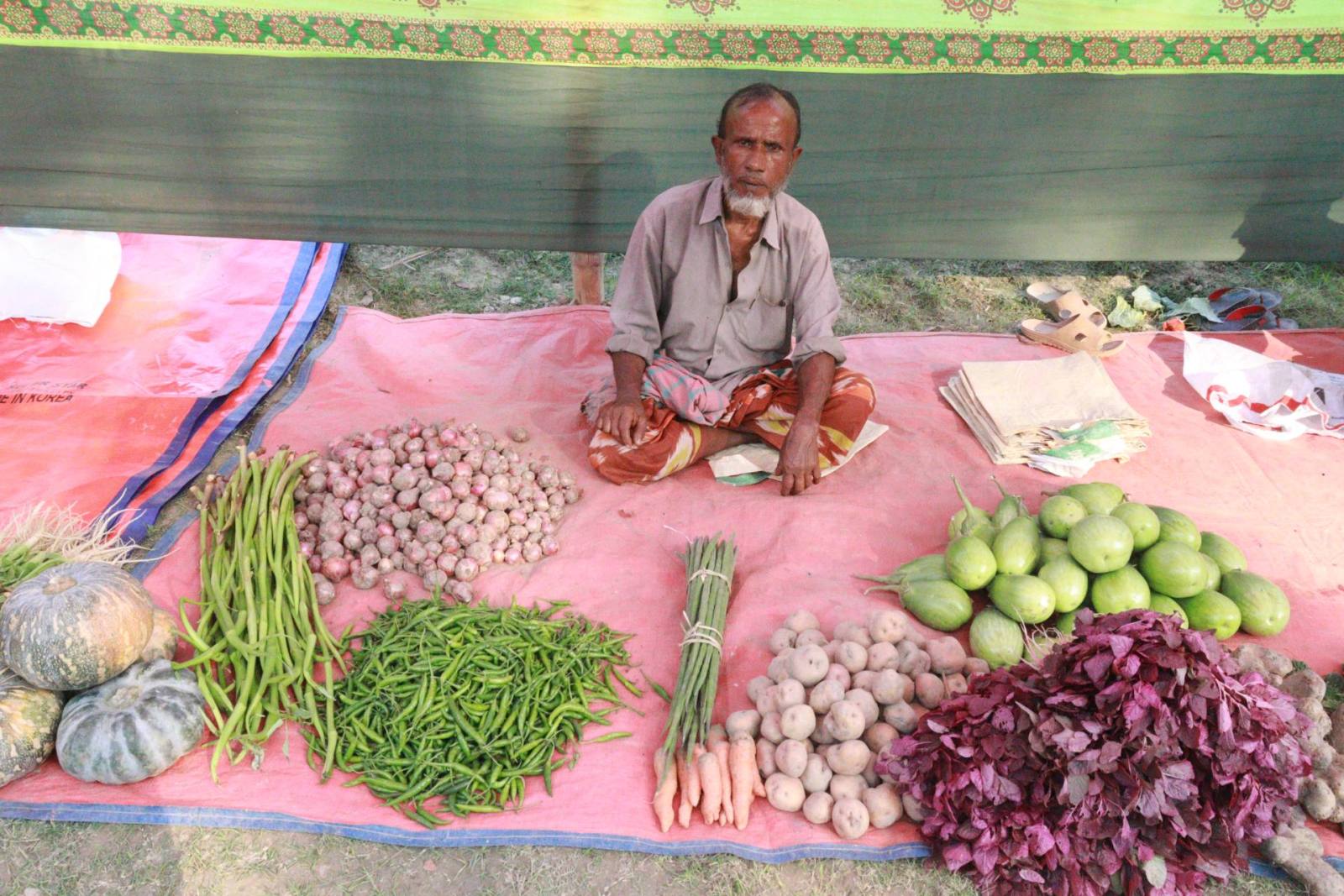
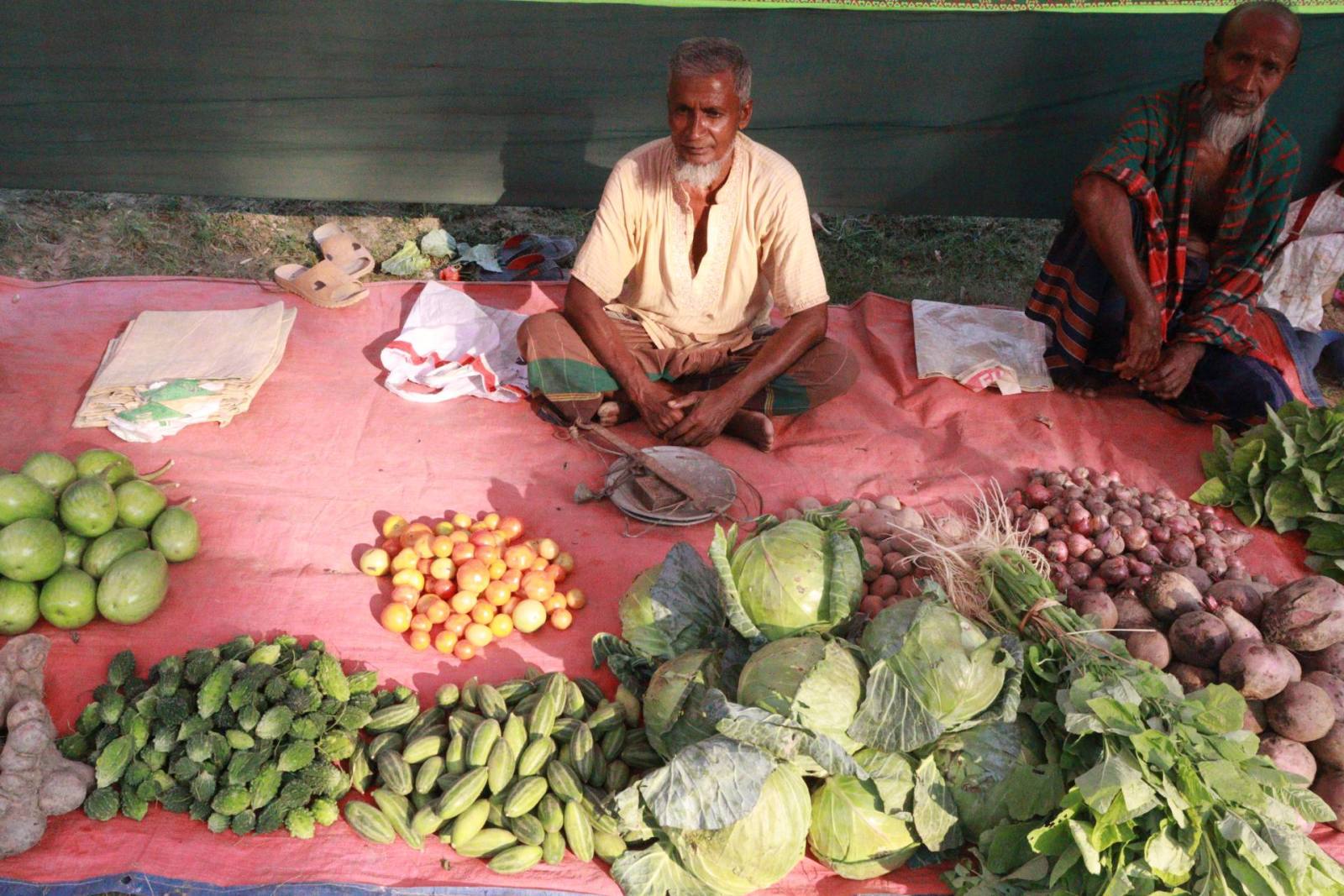
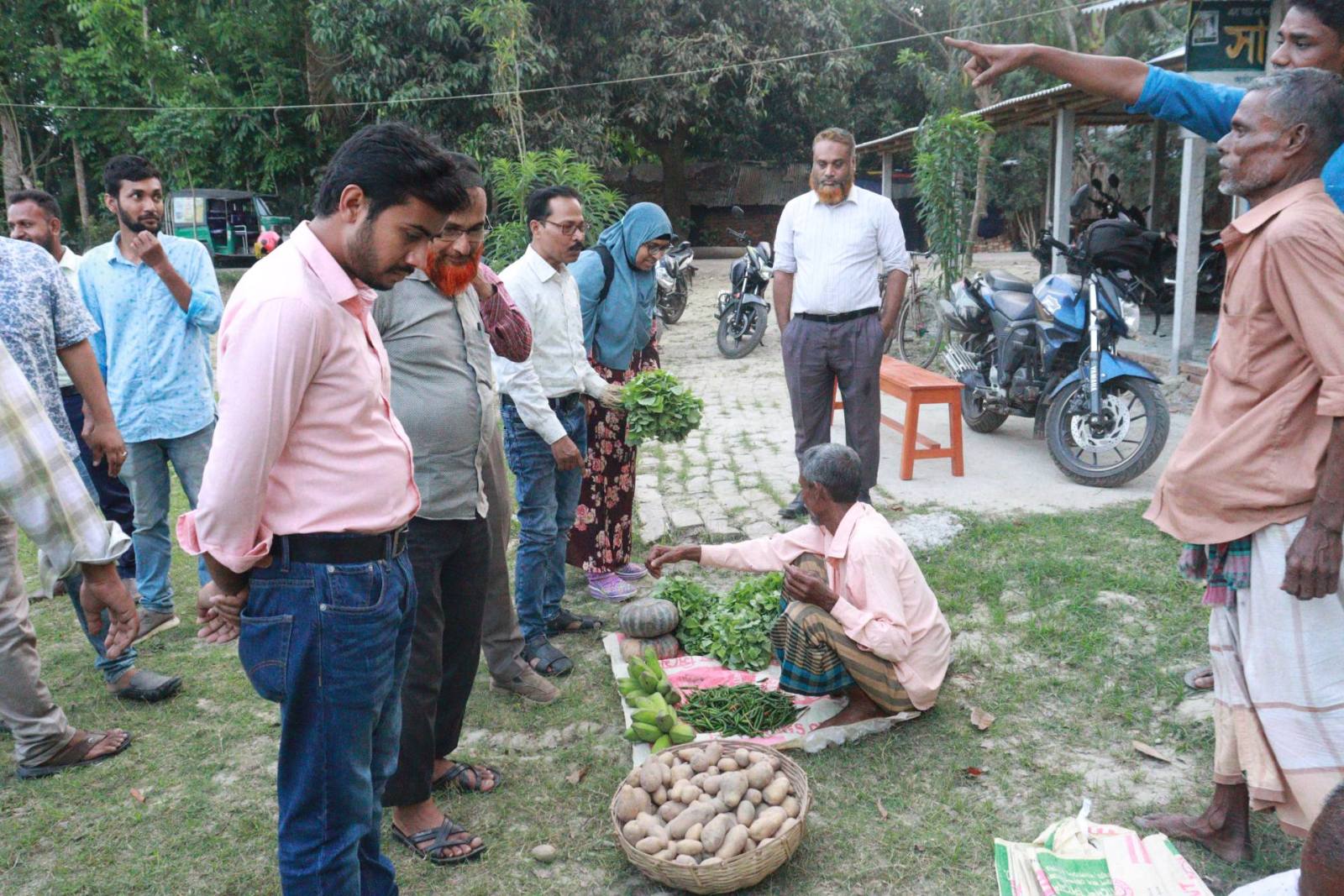
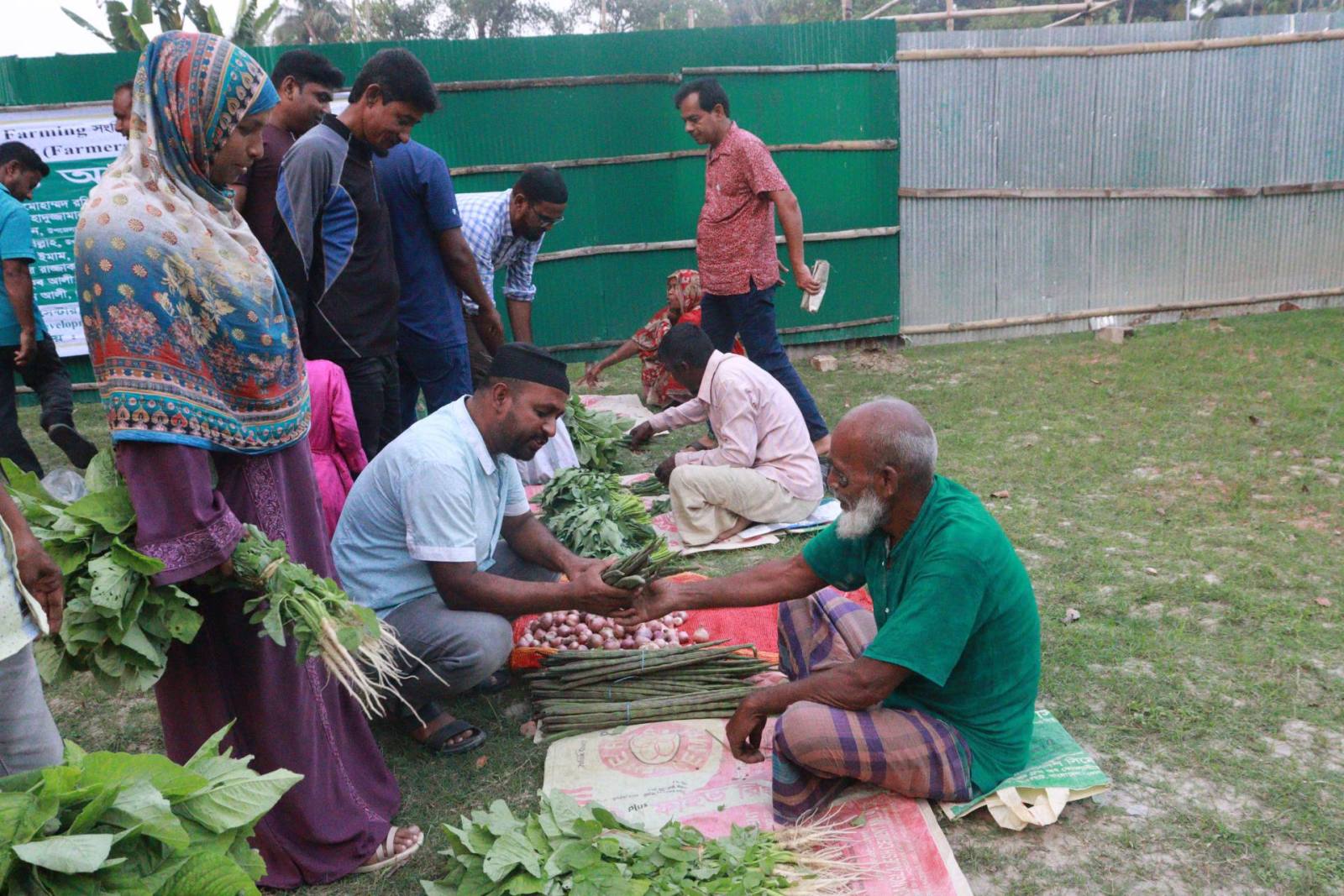
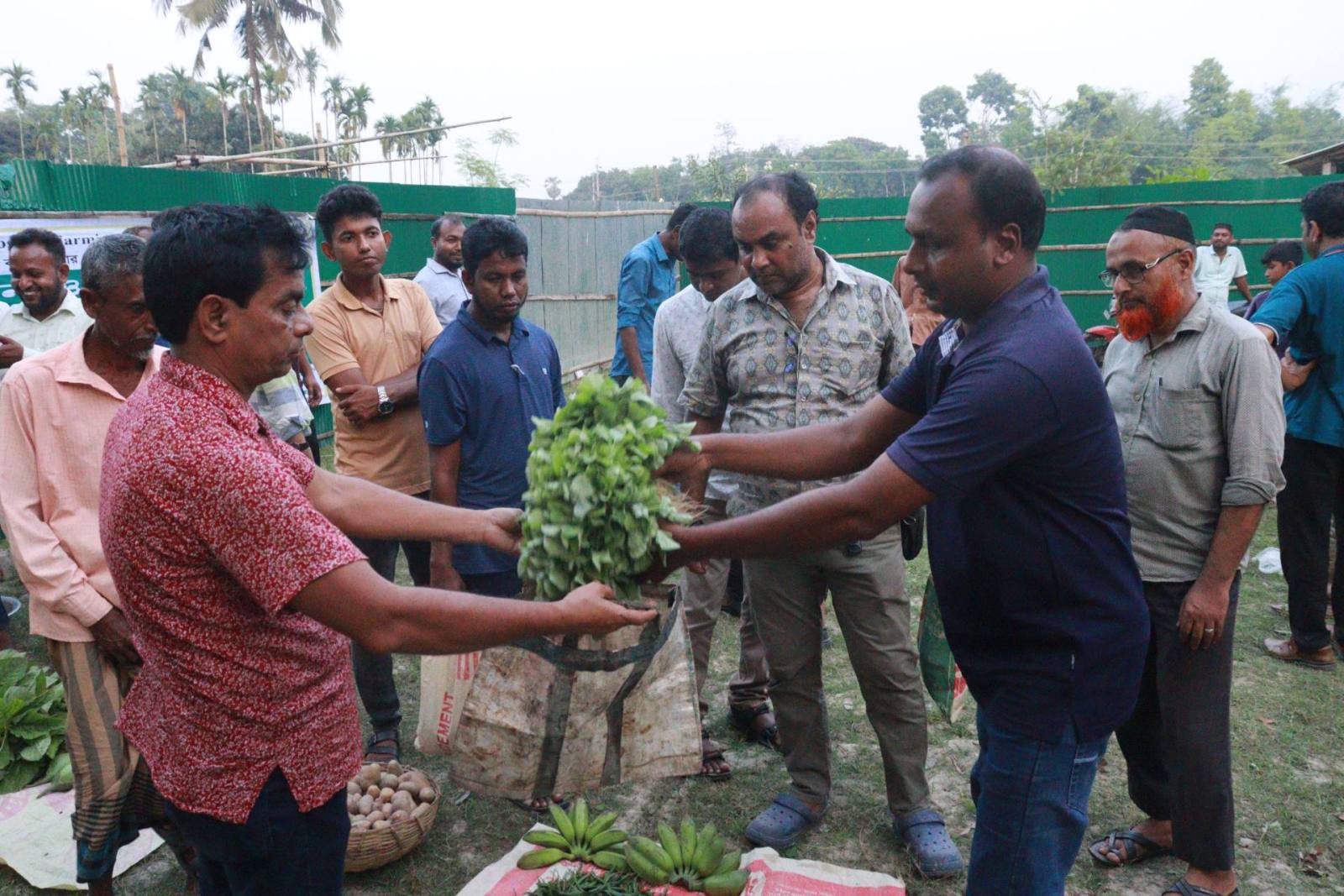
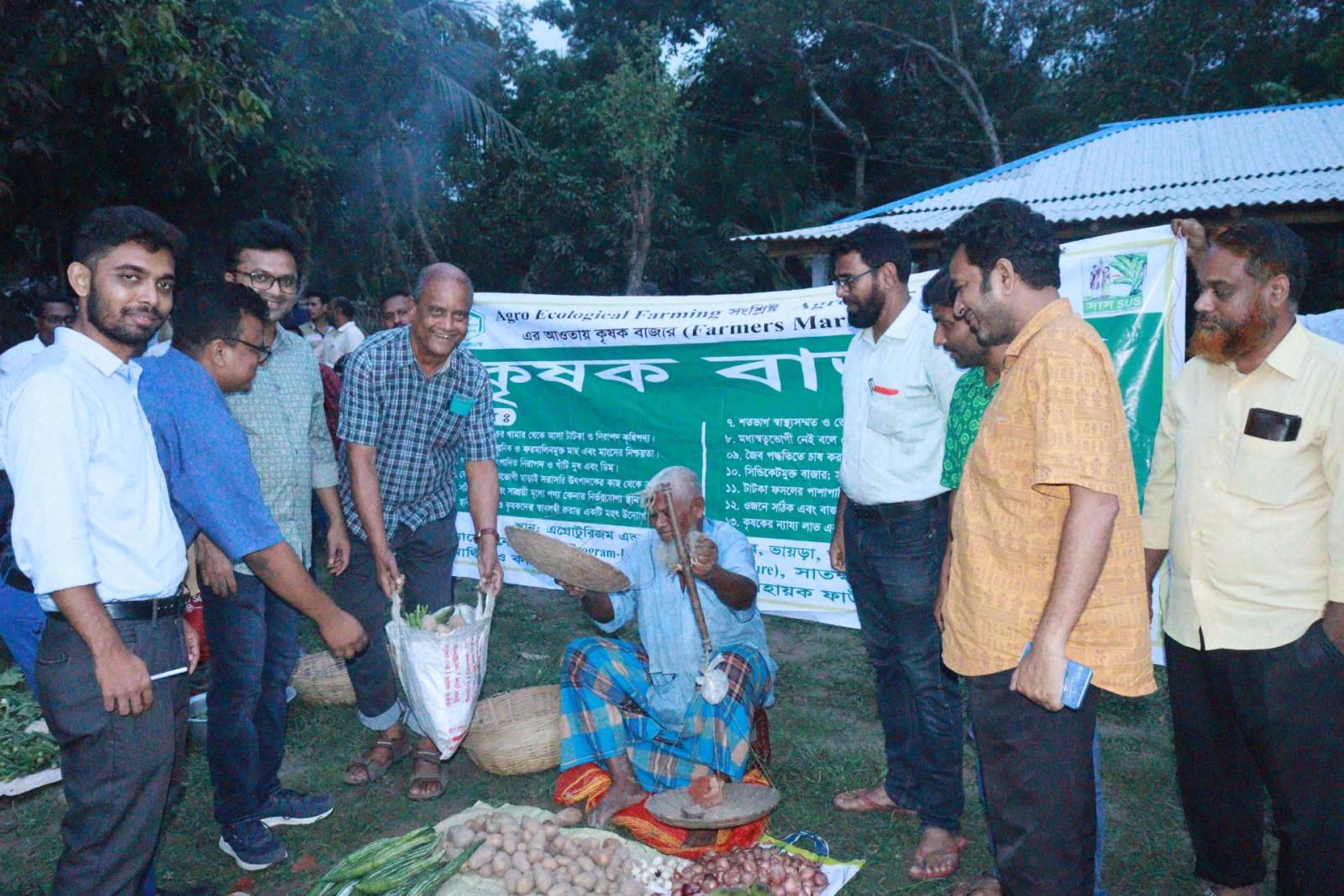
- Linking farmers directly to local and regional market networks
|
|---|